


-

Add: HeBei ShengShi HongBang Cellulose Technology CO.,LTD.
-

Email
13180486930@163.com -

CONTACT US
+86 13180486930
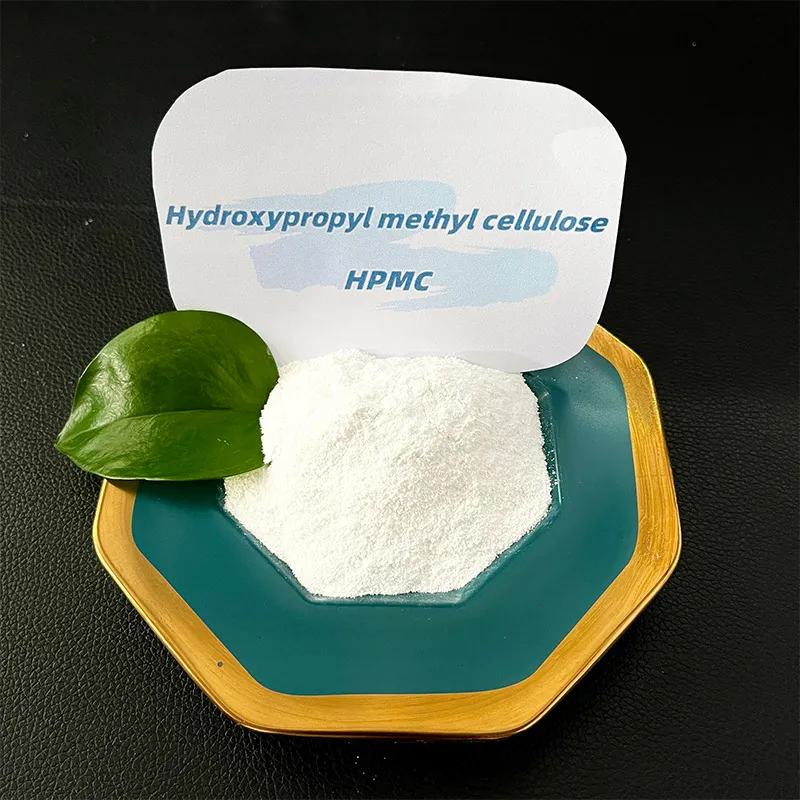


Unlocking the Benefits of Purchasing HPMC A Comprehensive Guide Hydroxypropyl Methylcellulose (HPMC) is a versatile material with applications spanning from construction to pharmaceuticals and beyond. Understanding the ins and outs of purchasing HPMC can significantly impact the efficiency and cost-effectiveness of your project. This guide offers insightful tips based on real-world experiences, expert knowledge, and authoritative insights into the procurement of HPMC, ensuring that your purchase is both economical and practical. The Importance of HPMC in Diverse Industries HPMC has gained a reputation for its multifunctional properties. For construction, it improves workability, water retention, and adhesion in cement-based products. In pharmaceuticals, it acts as a binder and controlled-release agent in tablet formulations. This wide range of uses underscores the product's relevance and the necessity for careful selection for specific applications. Selecting the Right Supplier The first step in purchasing HPMC involves identifying a reputable supplier. Experience counts; therefore, consider suppliers with extensive backgrounds in chemical distribution. Investigate their track record, client feedback, and quality control processes. Proactive communication is key . A trustworthy supplier should offer transparency about their sourcing, production processes, and any certifications they hold, such as ISO or GMP, assuring you of their commitment to quality. Quality Considerations Not all HPMC is created equal; variations in viscosity, particle size, and purity can affect performance. Expertise and detail-oriented assessment are crucial. Request samples before making a bulk purchase to evaluate the product's quality under your specific conditions. Laboratory testing or small-scale trials can provide insights into the material's behavior in your application, ensuring it meets your expectations. Cost vs. Value comprar hpmc While negotiating for competitive pricing, don't undermine the long-term value that high-quality HPMC represents. Balancing budget constraints with quality requirements ensures that the material will perform as needed, avoiding potential remediation costs or project delays. Take into account not only the purchase price but also factors such as shipping, handling, and potential import duties, which can add to the overall expenditure. Regulatory Compliance Different regions may have specific regulatory requirements for chemicals like HPMC. Confirm that the product adheres to all relevant industry standards and regulations in your area. Suppliers should provide compliance documentation and support any verification processes. This guarantees that your use of HPMC is within legal parameters and maintains the integrity and reputation of your project or product. Environmental and Ethical Considerations In today’s conscientious business landscape, the ethical sourcing and environmental impact of your materials cannot be overlooked. Choose suppliers who prioritize sustainability, monitoring their environmental impact and enforcing ethical labor practices throughout their supply chain. Not only does this align with responsible business practices, but it also enhances your brand’s reputation and potentially its market share. Leveraging Expertise Consulting with industry experts or engaging with professionals who specialize in material science can offer invaluable insights. Their experience can highlight potential pitfalls and innovative uses of HPMC that you might not have considered. Being open to learning from seasoned practitioners can significantly streamline the decision-making process and optimize the performance of your end product. By adhering to these principles, purchasing HPMC becomes a strategic process that enhances your project's efficiency and reliability. The combination of informed supplier selection, stringent quality assessment, compliance checks, and environmental considerations ensures that your investment in HPMC supports your business's long-term goals and values. Embrace the opportunity to leverage expert insights and create a reliable framework for your material procurement strategy.
- 40000tons

Production
- 20+years

Experience
- 5000+㎡

Acreage

-
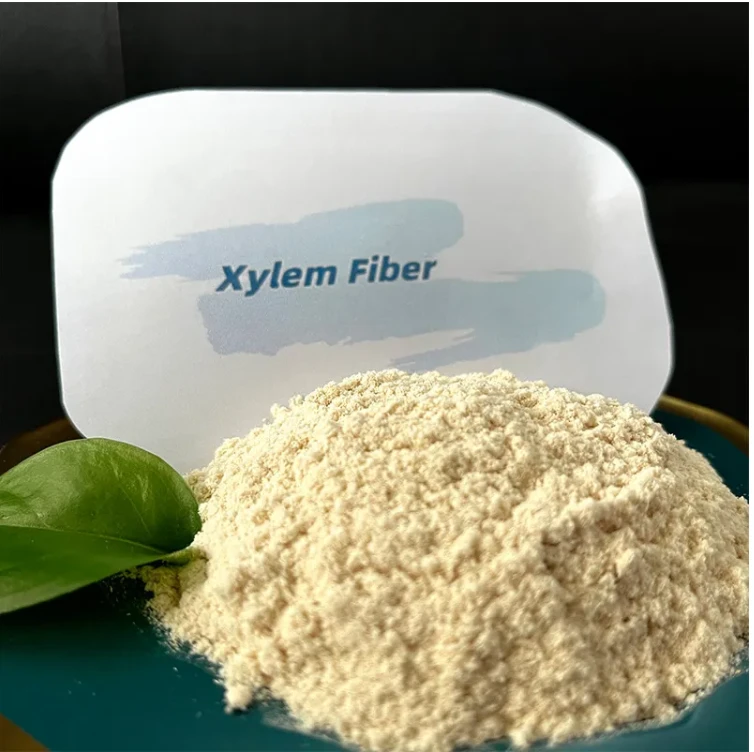
The Emergence of Wood Pulp Fiber A Sustainable Alternative In recent years, the pursuit of sustainable materials has gained significant momentum, leading to innovative solutions in various industries, from textiles to construction. One such innovation is wood pulp fiber, a versatile material derived from the decomposition of wood into its fibrous components. As societies become increasingly aware of the environmental impacts of conventional materials, wood pulp fiber stands out as an eco-friendly alternative that offers numerous benefits. Understanding Wood Pulp Fiber Wood pulp fiber is primarily extracted through the pulping process, where wood logs are processed to separate cellulose fibers from lignin and hemicellulose. This process creates a raw material that can be transformed into a range of products, including paper, textiles, and biodegradable plastics. The most common types of wood used for pulp are softwoods such as pine and fir, which are favored for their long cellulose fibers that contribute to strength and flexibility. Environmental Benefits One of the most compelling advantages of wood pulp fiber is its sustainability. As it originates from trees, a renewable resource, the lifecycle of wood pulp products can be much shorter compared to synthetic fibers like polyester, which are derived from petroleum. Furthermore, responsibly sourced wood pulp contributes to forest health by promoting sustainable forestry practices that ensure trees are replanted, preserving biodiversity, and maintaining carbon sequestration. The Emergence of Wood Pulp Fiber A Sustainable Alternative Versatility Across Industries fibra hecha de pulpa de madera The versatility of wood pulp fiber makes it an attractive alternative for various applications. In the textile industry, wood pulp can be converted into lyocell or modal fabrics, which are not only soft and breathable but also produced in a closed-loop process that significantly reduces water pollution compared to conventional cotton production. These fabrics are gaining popularity in fashion due to their comfort, environmental credentials, and stylish finish. In the packaging sector, wood pulp fiber is paving the way for biodegradable packaging solutions. As consumers demand more sustainable packaging options, wood pulp provides a solution that can help reduce the environmental footprint of e-commerce, food delivery, and retail packaging. Challenges and Future Outlook Despite its numerous advantages, the adoption of wood pulp fiber is not without challenges. The availability of sustainably sourced wood can sometimes limit production, and the technology for processing wood into fiber continues to evolve. However, as awareness and demand for sustainable materials rise, investment in research and development is likely to accelerate, opening new avenues for efficient production methods and innovative uses for wood pulp fiber. Moreover, as regulatory frameworks continue to support sustainable practices and combat climate change, wood pulp fiber stands on the brink of becoming a mainstream material in various industries. Companies are recognizing the importance of aligning their supply chains with sustainability goals, making wood pulp fiber an attractive option that meets consumer demand for eco-friendly products. Conclusion Wood pulp fiber represents a promising shift towards sustainability, offering an environmentally friendly alternative to traditional materials across diverse industries. Its biodegradable nature, coupled with the potential for sustainable production, positions it as a key player in the movement towards a greener future. As both consumers and manufacturers increasingly prioritize sustainability, wood pulp fiber could very well become a staple in our daily lives, supporting a healthier planet for generations to come.
-
HPMC, hay còn gọi là Hydroxypropyl Methylcellulose, là một chất phụ gia thực phẩm với số E là E464 . Nó đóng vai trò quan trọng trong việc cải thiện đặc tính của các sản phẩm thực phẩm và công nghiệp. Để hiểu rõ hơn về chất này, chúng ta cần xem xét nó từ góc độ uy tín, kinh nghiệm thực tế và chuyên môn kỹ thuật. Trước hết, với kinh nghiệm từ nhiều năm nghiên cứu và ứng dụng trong ngành thực phẩm, HPMC là một polymer cellulose không ion, tan trong nước và có khả năng tạo gel ở nhiệt độ cao. Điều này có nghĩa là khi được thêm vào một sản phẩm, HPMC có thể tăng cường độ dày, độ bền và tính ổn định mà không ảnh hưởng đến hương vị hoặc giá trị dinh dưỡng của sản phẩm. Tôi đã thấy sự khác biệt rõ rệt khi sử dụng HPMC trong các sản phẩm từ bơ sữa đến bánh kẹo và thậm chí là đồ uống. Chuyên môn về HPMC cũng rất quan trọng vì không phải nhà sản xuất nào cũng biết cách sử dụng nó hiệu quả. Với những hiểu biết sâu rộng trong lĩnh vực này, HPMC không chỉ được sử dụng trong thực phẩm mà còn trong các ngành công nghiệp khác như dược phẩm, mỹ phẩm và cả xây dựng. Nó hoạt động như một chất ổn định, chất làm đặc và chất liên kết trong các viên thuốc, giúp tăng cường độ nhớt trong mỹ phẩm, và thậm chí còn được sử dụng như một tác nhân chống lại hiện tượng chảy xệ trong vật liệu xây dựng. Một trong những trải nghiệm đáng chú ý mà tôi từng có là trong quá trình cải tiến một công thức bánh ngọt. Chúng tôi đã thêm một lượng nhỏ HPMC và nhận thấy rằng độ xốp của bánh được cải thiện đáng kể. Nếu không có HPMC, sản phẩm có thể dễ bị vỡ khi đóng gói và vận chuyển. Thông qua nghiên cứu và thử nghiệm, kết quả cho thấy sản phẩm có hạn sử dụng dài hơn mà không cần đến các chất bảo quản nhân tạo. hpmc số Tuy nhiên, không thể không nhắc đến độ tin cậy và tính hợp pháp của HPMC trên thị trường. Nó đã được Tổ chức Lương thực và Nông nghiệp của Liên Hiệp Quốc và Tổ chức Y tế Thế giới công nhận là an toàn khi sử dụng trong thực phẩm. Một điểm nổi bật là HPMC không bị biến đổi về mặt sinh học trong cơ thể, điều này làm cho nó trở thành một sự lựa chọn an toàn cho tất cả các loại hình tiêu dùng. Về tính chuyên môn, HPMC có khả năng chịu được điều kiện môi trường khắc nghiệt, từ nhiệt độ cao đến độ ẩm thấp, khiến nó trở nên đặc biệt hữu ích trong việc duy trì tính toàn vẹn của sản phẩm dưới các điều kiện vận chuyển và lưu trữ khác nhau. Kinh nghiệm từ các chuyên gia cho thấy rằng việc tích hợp HPMC vào sản xuất không chỉ giúp cải thiện chất lượng mà còn tối ưu hóa chi phí thông qua việc giảm thất thoát và cải thiện hiệu suất quy trình. Cảm giác an toàn là điều tối quan trọng khi đề cập đến HPMC từ góc độ người tiêu dùng. Được sản xuất dưới dạng bột mịn, không màu và không mùi, HPMC hoàn toàn không làm thay đổi cảm giác và mùi vị của sản phẩm. Điều này tạo ấn tượng rằng các sản phẩm có chứa HPMC vẫn giữ được bản chất tự nhiên của chúng mà không cần đến bất kỳ chất hóa học nào có thể gây hại. Tóm lại, HPMC với số E là E464 là một yếu tố kỳ diệu trong việc tối ưu hóa sản phẩm. Với sự kết hợp giữa kinh nghiệm thực tế, chuyên môn cùng độ tin cậy cao, các sản phẩm có chứa HPMC không chỉ phù hợp với tiêu chuẩn công nghiệp mà còn đáp ứng được những yêu cầu khắt khe của người tiêu dùng hiện đại.
advantages
-

200000 Viscosities
Excellent product
We can produce pure products up to 200,000 viscosities
-

40000 tons
High yield
We don’t stop production all year round, and the annual output can reach 40,000 tons
-

24 hours
Quality service
We provide 24-hours online reception service, welcome to consult at any time
———— Inquiry Form
Schedule A services

-
 hydroxypropyl_methyl_cellulose_hpmc
Oct . 25, 2025
Cellulose ether HPMC (Hydroxypropyl Methylcellulose) has emerged as a significant player in the real -
 fiber_concrete_slab
Oct . 25, 2025
Materials derived from natural sources, like wood cellulose , are redefining industries with their v -
 what_is_cellulose_wood_pulp
Oct . 25, 2025
Unveiling the Potential of HPMC E5 in Modern Industries Hydroxypropyl Methylcellulose (HPMC) E5 is g


